


Meet the press
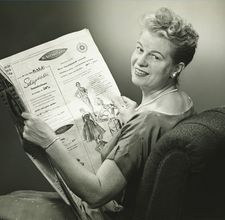 Congratulations! A newspaper (or blog, magazine, TV show or radio show) wants to do a story on your business.
As a reporter, I’ll tell you that these types of stories don’t get assigned very often, but when they are, it’s because an editor has identified something newsworthy about your business. Perhaps it’s because your business is doing something groundbreaking that no one else is doing or you’re succeeding despite the odds of the economy or your business model. Sometimes, it’s because you’re the new kid on the block and/or you’re doing something no one else is doing. Of course, if you’re bringing in a bunch of well-paying jobs, you can count on a reporter (or several reporters) calling you, too.
As a reporter, I’d also like to share what news stories are not.
• News stories are not advertisements or advertorials (paid ads that look like news stories). Although they lend a certain amount of credibility that people remember much more than an ad, this is not the place for a reporter to write what days and hours you’re open or pat your loyal staff on the back.
• News stories are written by reporters, not by you. Final approval of news copy is not dependent upon your OK. If you would like to double-check quotes, facts and figures, ask the reporter to give you a call before deadline. If there’s a tight deadline, this may not be possible, but most reporters are amenable.
In some cases, I’ve seen business news stories get killed because the owner, manager or spokesperson:
• Did not return calls in a timely manner because they were certain they were being Shanghaied into buying advertising. For every publication for which I have ever written, this has never been the case. Editorial and advertising departments work independently of each other. In the case an ad rep calls you after a story has run, consider the benefits of continuing paid exposure. You can always say “no.”
• Did not return calls in fear of being misquoted or that the reporter would write something negative about their business.
• Never heard of the publication, TV/radio show or blogger and didn’t think returning a phone call was worth their time. This is especially true for local “advertiser” papers. Ironically, you can get more targeted coverage out of these kinds of publications than you can out of a daily paper or glossy magazine. Don’t discount them.
• Was too coy about revealing numbers. If you run a private company, at least provide percentages of growth or loss. The same goes for refusing to name client companies. It’s impossible to write a business story if a reporter can’t demonstrate the tangibility of what you’re doing.
• Wanted too much control over content and photos. Let the reporter do his or her job. I’m sure you don’t appreciate when others tell you how to do your job.
As a social media specialist, I’d be remiss in not recommending how to get the most out of your free press.
• Link the story on a prominent spot on your website.
• Share the story on Facebook,Twitter and/or your customer email newsletter. (What? You don’t use social media? Read this blog post.)
• Copy and frame the story in your reception or point-of-sale area.
• Make copies of the story for your collateral for pursuing bids and loans. Companies and banks you’d like to do business with like to see that you’re a strong and vibrant company, and that’s something a news story definitely demonstrates.
Bonnie Caprara is the social media and media relations director for Community Marketing Associates. She can be reached at bcaprara@commmktgassoc.com and at CommMktgAssoc on Twitter.
